Supporting Elderly Parents

Supporting Elderly Parents
One of the most profound role reversals in life occurs when we find ourselves caring for the very people who once cared for us. As our parents age, their physical health, memory, and emotional needs change, requiring adult children to step into caregiving roles.
This transition is rarely easy. It brings a mix of practical responsibilities—medical appointments, financial decisions, and safety considerations—alongside deep emotional challenges. Watching a strong parent become frail can trigger grief, anxiety, and caregiver burnout.
How do we navigate this path without losing ourselves? First, recognize that you cannot do everything alone. It is vital to seek out support, share the caregiving weight, and maintain your own health.
Second, remember that communication is key. Older parents often struggle with their loss of independence. Approaching conversations with patience, respect, and active listening helps preserve their dignity while ensuring their needs are met. You don't need to have all the answers; sometimes just showing up and listening is the greatest support you can offer.
Frequently Asked Questions
What is the core takeaway of "Supporting Elderly Parents"?
Practical guidance and emotional support for adult children navigating the complexities of caregiving and changing family roles.
Who is the author of this reflection?
Tashi Khoo, the founder of My One Cent Worth, sharing perspectives based on real-life experiences.
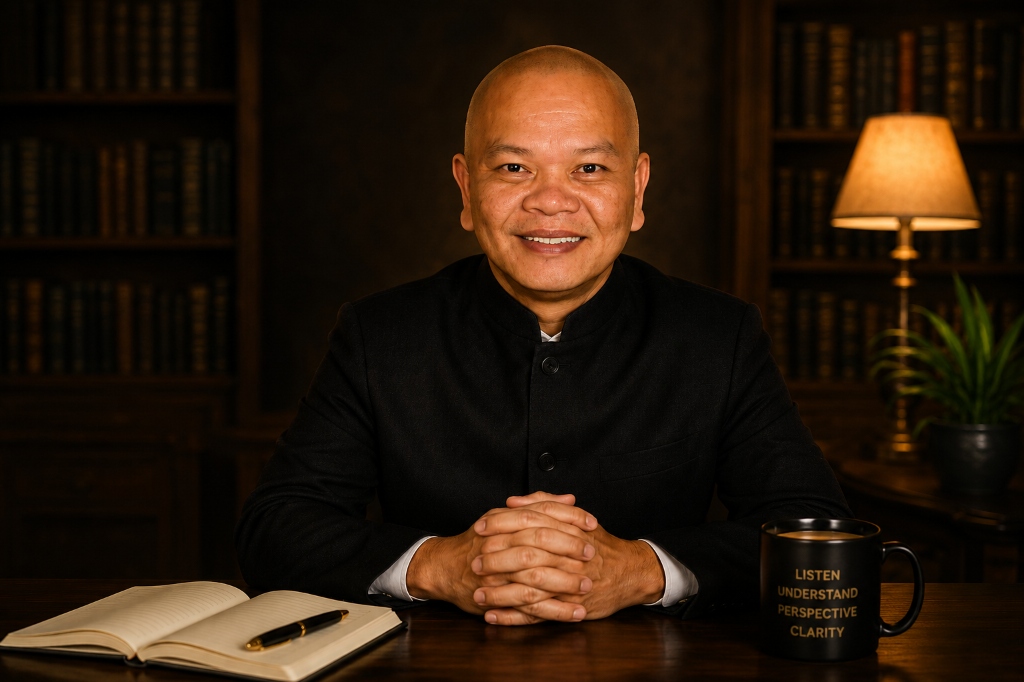
Tashi Khoo
Founder of My One Cent Worth. Supporting individuals through career changes, loneliness, retirement transitions, and hospital companion stays in Singapore.
Learn more about Tashi →Related Articles
Visiting Loved Ones in Hospital
How to offer a supportive, meaningful, and comforting presence when visiting family or friends during a hospital stay.
LonelinessHow to Deal with Loneliness in Singapore
Loneliness can affect anyone in a fast-paced city. Discover practical ways to navigate loneliness, rebuild connection, and find someone to talk to.
LonelinessI Have No One to Talk To
When you feel isolated, it can be hard to know where to turn. Explore how finding a safe, unhurried listening partner can help you clear your thoughts.
Need a Fresh Perspective?
Sometimes untangling your thoughts is easier with someone who genuinely listens.